
Systems & Processes
Make Every Account Forecastable: From Tracked Behaviors to Revenue-Driving Actions in B2B.
Capacity is tight, demand is uneven, and customers expect precision. For B2B companies, profitable growth now depends on more than generic actions or end-of-month rollups. You need reliable “intel” by account, by SKU, by week.
In this article
Capacity is tight, demand is uneven, and customers expect precision. For B2B companies, profitable growth now depends on more than generic actions or end-of-month rollups. You need reliable “intel” by account, by SKU, by week.
This article lays out a practical path to three outcomes your team can feel fast: account-level forecastability, dependable buyer-behavior signals, and actions that translate into measurable revenue lift in the same week.
Make Every Account Forecastable
Aggregate pipeline views hide risk. You don’t need “more visibility”; you need control. It’s knowing which accounts will buy, when, and what, with enough confidence to plan actions: production, inventory, and cash.
That starts by moving from gut-feel reports watching to standardized, per-account forecasting.
What “good” looks like:
-
Clean, centralized account data. Bring orders, quotes, returns, tickets, and key contacts into a single source of truth. De-duplicate, normalize product/SKU fields, and standardize territories/banners. In other words, it’s a clear holistic view of your business.
-
Reorder cadence and replenishment windows. Clear definitions per account/product: expected frequency, alert thresholds (X days past due), min/max, MOQ, EDI/auto-PO settings, service agreements and penalties.
-
Repurchase probability grounded in history. Model the likelihood a customer reorders within the target window (recency/frequency/value, seasonality, promo effects, lead times). Reconcile with real constraints (capacity, lead time, available stock).
-
Recurring account health score. Combine slowdown signals (unit decline, lost companion SKUs, lengthening intervals, quality tickets) and opportunity signals (basket expansion, adoption of new SKUs).
A mid-market distributor that adopted this approach moved from “±25%” monthly swings to steady, weekly account-level calls. Sales focused on at-risk revenue, and ops set production with fewer fire drills. Forecasts can become an allie, a management tool—not a report that shows only the past.
Turn Tracked Behaviors into Reliable Revenue Calls
Your systems already capture behavior, the lift comes from focusing on signals that move dollars and mapping them to actions reps can execute.
Signals that matter:
- Order cadence and size: expected reorder windows missed, shrinking basket, downgraded pack sizes.
- Line-item mix: complementary SKUs that usually co-travel falling out of the cart.
- Inquiry bursts and quotes: spikes in support tickets, CAD/tech requests, samples, or quote revisions.
- Procurement and delivery timing: budget cycles, tender windows, lead-time shifts, missed SLAs.
- Install base usage: replenishment triggers, parts wear, or consumable burn rates.
From signal to action: translate each pattern into a guided step: “Call Buyer A today—SKU X dropped out for two cycles; suggest SKU B/C bundle. Expected lift: $6.4K this month.” Back it with a short playbook so reps know the talk track and ops knows the expected impact.
Quick wins come from automated alerts, account scoring that blends risk and upside, and guided actions embedded in the rep’s workflow. The goal isn’t more charts—it’s fewer decisions between “see a signal” and “do the right thing.”
Action Beats Analysis—Prioritize Calls, Target SKUs, Measure Results Fast
Speed is the advantage. Replace ad-hoc review with a simple weekly operating rhythm that turns insight into booked revenue.
Morning hotlists (daily): each rep opens a prioritized list:
- Recover at-risk revenue (missed reorder windows, slipping frequency).
- Grow penetration (customers buying A but not B/C).
- Protect shelf/slot (declining units where competitors are active).
- Clean inventory risk (slow-moving SKUs in specific territories).
SKU targeting: focus where unit velocity and margin intersect.
- Keep fast movers in stock; route supply where demand actually lives.
- Revive idle SKUs with targeted cross-sell; if lift fails, delist decisively.
- Prevent stockouts with forward signals (backorder flags, lead-time drift, promo calendars).
Weekly workflow:
- Monday: set top actions per rep (who to call, what to pitch, where to visit).
- Wednesday: mid-week check—remove dead tasks, double down on accounts showing response.
- Friday: verify outcomes—meetings booked, reopened POs, SKU adds, units moved; update the forecast and close the loop with finance/ops.
Measure the lift in the same language leadership uses:
- Meetings booked and held.
- Incremental units/SKUs per account.
- Resurfaced revenue (previously lapsed buyers ordering again).
- Forecast accuracy delta (variance vs. prior month and baseline).
When these metrics improve weekly, confidence compounds—and so does growth.
The payoff is practical: steadier commits, fewer stockouts, less dead inventory, and a pipeline that converts because everyone knows what to do next.
Don’t add another dashboard, tighten the loop between behavior and action. Audit your current signals, pilot a one-week sprint with hotlists and playbooks, and track measurable impact by Friday. If the lift is real, scale it. If not, iterate fast, until every account is forecastable.
Keep reading

Systems & Processes
How to Win Back Accounts Before They're Gone
Manufacturers know the pain of losing a good customer. One month they’re placing steady orders, the next they’ve gone dark. No complaints. No warnings. Just silence.

Systems & Processes
Smarter Inventory Forecasting: Stop Playing Inventory Roulette
What if your company’s surge in sales is tied to TikTok posts or a seasonal event? If you're just looking at sales velocity without context, you might double production when demand was actually a spik
Systems & Processes
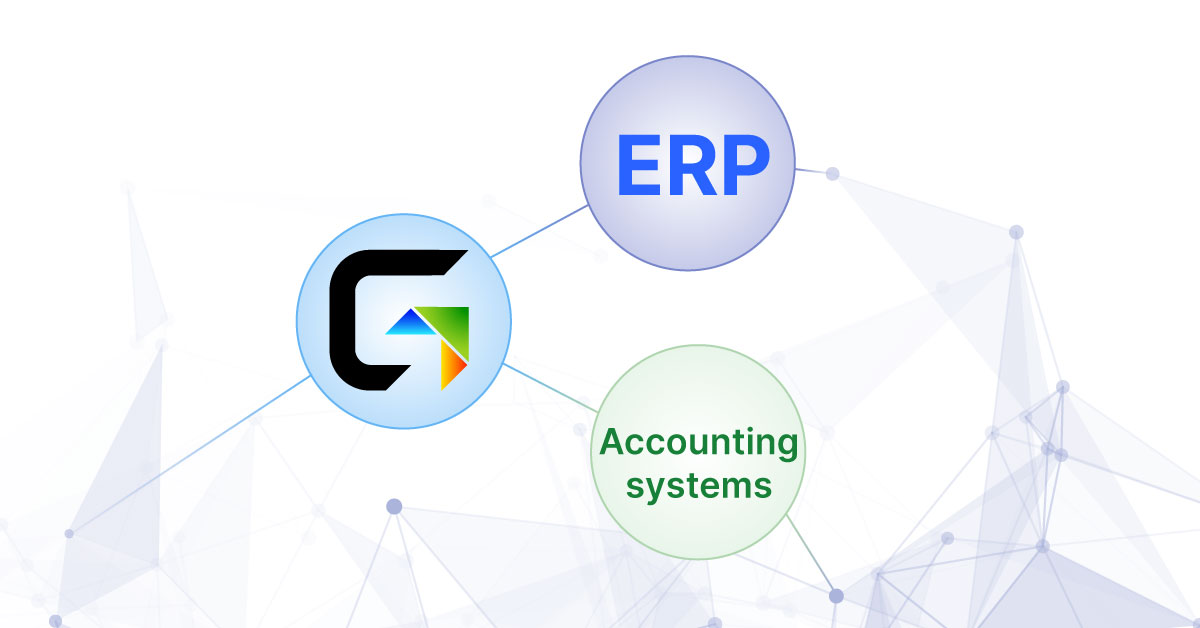
Grabb now connects natively to most ERP/accounting systems
The good news: Grabb can now be activated and connected to the top 20 ERP platforms or accounting systems used in over 60% of North American companies. Today, connectivity is an essential part of mode
From insight to action
Your data already knows what changed.
Grabb turns customer, product, order and operational signals into a prioritized list of what your team should do next.